Why Righteous Sweatpants Is Popular Meaning and Design

We Are Righteous: The Backstory Underlying the Name

A story is something that every clothing brand puts forth, yet very few can reveal the specific friction that made the brand necessary from day one. We Are Righteous was born out of a plain source of dissatisfaction: far too many apparel brands were pushing posturing without real content, stamping slogans on flimsy cotton and calling it culture. The team behind We Are Righteous sought something tougher — in both a physical and symbolic sense. What they were chasing was garments that were built to survive constant wear while carrying a name that held significance to the wearer. That combination of resilience and purpose is still the common strand running through the brand today.

The name itself — and the thinking behind it — is what separates this origin story from the familiar “we started in a garage” narrative. Righteous isn’t a casual word chosen because it felt catchy on a hangtag. It was selected because it signals standing firm in what you believe, irrespective of trend cycles or pressure from others. This mindset shaped everything from the first sketches to the fabric sourcing decisions that followed. Grasping this origin helps clarify why the brand’s shoppers talk about it differently than they discuss other streetwear labels.

How the Righteous Clothing Brand Began

The original form of the righteous clothing brand was not a complete lineup — it was a handful of pieces created to see if the concept would hold up. The founders sketched ideas around a central belief: clothing should serve as a subtle expression of character, not a attention-grabbing stunt. What they were after was pieces that remained sharp in the third year as they did on day one, which required forgoing cheaper construction methods in favor of reinforced seams and heavier-weight fabrics from the outset.

This early rigor mattered more than most founders let on. Many apparel startups kick off with a logo and a vision, then rush to fix quality issues after the initial round of customer complaints. We Are Righteous took the reverse path, devoting extra time on wear-testing and textile we-righteous.com/shorts-sweatpants trials before releasing anything to the public. That opening launch was purposefully modest, limited to a few essential shapes, so the team could obtain authentic responses instead of guessing at scale. That feedback loop became a lasting fixture of how the brand operates, still shaping decisions in 2026 the same way it did at launch.

What’s more, there’s a community angle to the backstory that’s simple to pass over. The founders never set out to build the brand alone — they wanted people who related to the “righteous” mindset to feel like they had found something built for them specifically. Early customers weren’t just buyers; their input on fit, color, and fabric weight was treated as collaborative feedback that directly shaped the next batch produced. So many long-term fans describe the brand as feeling personal rather than corporate, which stems largely from that dynamic.

What Powers Righteous Apparel’s Ethos

At the center of every righteous apparel release is a simple test: does this piece hold up to both physical wear and the values the brand claims to represent? That two-part filter shows up in decisions about stitching density, fabric weight, and even which prints make it to production. The team has said no to plenty of designs that looked fine on paper but didn’t match the brand’s standard for longevity or message.

This isn’t a label running after every fleeting trend surfacing on social feeds. Rather, the design approach favors pieces built to last — silhouettes and color choices that will still feel current after eighteen months. Fast fashion’s cycle of overproduction and rapid obsolescence, which routinely churns out new “must-have” items every few weeks only to discard last month’s version almost immediately, is precisely the pattern this stands apart from. Righteous apparel takes longer to develop specifically because the team is optimizing for a five-year wear life, not a five-week trend window.

You’ll also find an emphasis on clarity that shows up in its dialogue with customers. Information on sizing, fabric content, and upkeep is communicated in a straightforward way instead of hidden in the small print, because the founding team feels being upfront, not sales-driven wording, is what creates trust. Such transparency has clearly boosted loyalty among shoppers — customers who buy the core hoodie line tend to come back far more often than those who purchase just one item, according to sales metrics the company has disclosed in prior communications.

The Righteous Hoodie: a Flagship Piece

The righteous hoodie is, above everything else in the lineup, the piece that defines the label’s identity. It became the flagship item almost by accident — first-wave buyers kept reordering it in varied colorways faster than every other item in the catalog, which caught the brand’s attention. Beyond the name on the chest, the hoodie’s popularity stems from a silhouette that flatters across body types, alongside a heft substantial enough for colder months yet not turning bulky.

Manufacturing choices for the hooded staple echo the company’s broader ethos. Strengthened cuffs, seams stitched twice over at pressure zones, and a material blend chosen for both softness and durability all trace back to that original principle: garments ought to endure, not merely photograph well. Customers who’ve owned the hoodie for multiple seasons often report in reviews that it holds its shape and color better than comparable pieces from bigger-name competitors, which matters more to loyal wearers than flashy marketing ever could.

Among the brand’s following, the hoodie has evolved into something like a cultural signal. Wearing it signals familiarity with the brand’s backstory and its values, not just an appreciation for the design. Building that is harder than designing a good logo — it demands steady product quality across multiple release cycles, and that’s precisely what the flagship hoodie has delivered since it debuted in the catalog.

What a Righteous Review Really Shows

Look up a righteous review online in 2026 and a pattern shows up fast: buyers concentrate less on hype and more on fit, fabric feel, and whether the item lives up to its product description. That’s a meaningful shift from the exaggerated unboxing culture that dominates a lot of streetwear marketing. Reviewers covering We Are Righteous tend to zero in on particular details — how a hoodie fits after multiple washes, whether the stitching holds up, whether sizing runs true.

That level of detail in a we are righteous review reflects the brand’s genuine performance rather than just its promotional messaging. Reviews that focus on durability after repeated wear, rather than just first impressions, tend to carry more weight with prospective buyers, and that’s exactly the type of feedback this brand has built its reputation on.

Across a we are righteous review, common threads also include customer service responsiveness and how well the finished item matches its online presentation. The alignment between promotional photos and the item that arrives is frequently praised, especially since so many online apparel brands fall short in exactly that area. When customers say the product “looks like the photos,” that’s a meaningful signal in an industry where mismatched expectations are common.

We Are Righteous Versus the Competition

For context, here’s how the we are righteous brand’s key attributes stack up against typical fast-fashion competitors in the same price tier.

CategoryWe Are RighteousTypical Fast-Fashion Competitor
Design cycleSeasonal releases built around lasting valueWeekly releases chasing trends
Fabric approachDenser fabric paired with reinforced seamsThin fabric aimed at cutting costs
Customer feedback loopDirect customer input informs future batchesMinimal, data-driven only
Hero productRighteous hoodie, repeat-purchase favoriteEver-changing “hero” items and poor customer retention
Brand voiceRooted in values and delivered consistentlyTrend-driven, inconsistent

This comparison isn’t meant to dismiss competitors outright — fast-fashion models serve a purpose for shoppers prioritizing low prices over longevity. What becomes obvious, though, is why so many shoppers hunting for a righteous clothing brand stick around after trying a piece firsthand. By design, not by chance, the value proposition differs.

Where the Brand Stands in 2026

Looking ahead to 2026, We Are Righteous continues to expand its product lineup while staying true to the same founding principles that defined its earliest release. New colorways and silhouettes have joined the lineup, but the emphasis on sturdy fabric and transparent marketing has remained steady. The brand’s growth has been steady rather than explosive, which tracks with its approach of growing deliberately and sidestepping the overexpansion that sinks so many new fashion brands.

When it comes to gauging the brand’s health, customer loyalty remains the clearest signal. Year after year, the flagship hoodie remains a top performer, while repeat buyers continue to drive sales. For anyone on the fence about trying it out, the origin story offers a valuable way to look at it: it’s not a brand after fast internet fame, but rather one built around the conviction that clothing should express both style and values. It’s precisely that distinction which keeps righteous clothing set apart in a competitive market.
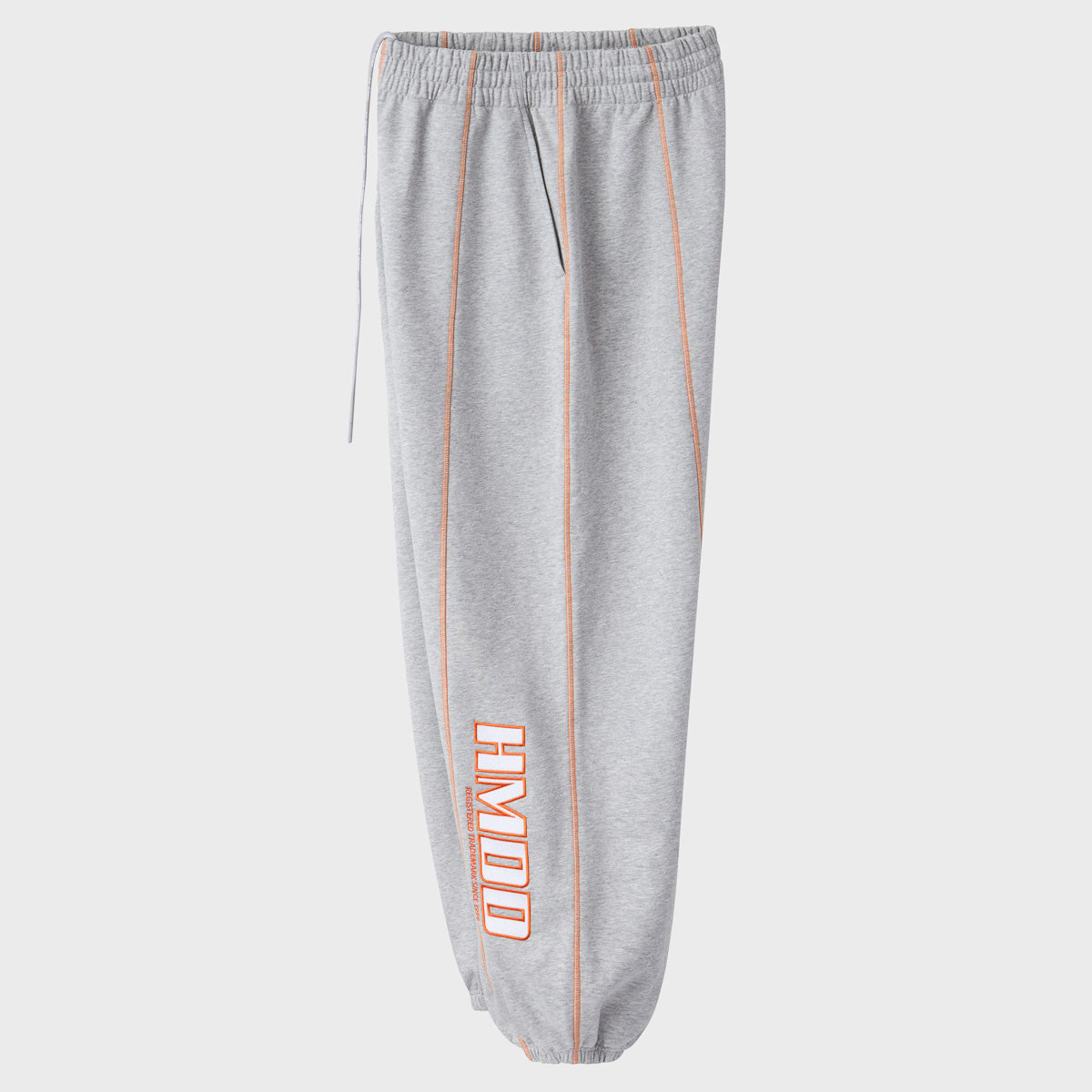
Why HMDD Sweatpants Is Popular Complete 2026 Guide

The Way HMDD Evolved from a Notion to Become the Mainstay of Streetwear

Every single label in the streetwear space is built from a core notion, and HMDD was born from a line that stuck and never let go: “Happy Memories Don’t Die.” That idea, condensed into HMDD, has grown from a modest creative notion into an established presence in today’s streetwear scene. The label’s growth arc mirrors a broader shift in the way independent brands establish identity — not via big advertising spend, but through coherent communication, a distinct visual language, and product that people actually want to wear daily. Here, we follow that evolution, examines what makes HMDD clothing distinctive in an oversaturated industry, and gives an honest breakdown of where the brand stands on its way into 2026.

During the previous decade, streetwear as a style segment has matured considerably. What used to be a niche built around graphic tees and limited drops has expanded into a full lifestyle wardrobe, covering everything from outerwear to loungewear. Taking an identity-led approach, HMDD stepped into this landscape: the phrase “happy memories dont die” is more than a tagline — it functions as a philosophy embedded in the brand’s approach to design, marketing, and community building. That philosophy deserves a closer look before diving into the product details.

The Roots of the HMDD Vision

HMDD wasn’t born in a big-business meeting room. Similar to a lot of streetwear names, it began as a modest venture constructed on a single idea: recollections, most notably the positive ones, merit being preserved and worn instead of gathering dust in photo albums. The brand name on its own serves as a piece of branding and a statement of purpose all at once. Rather than leaning on vague symbols or borrowed street terms, HMDD shaped its identity on a complete phrase that fans could say aloud, ink on their skin, or use as a social-media caption — a more sustainable branding decision than a generic icon alone.

In the initial phase, what the brand put out was modest. Tightly capped batches, a small lineup of graphic tees, and organic word-of-mouth promotion got it through its early stage. That kind of pattern shows up often in streetwear’s past — companies like early Supreme or Bape kicked off in a similarly stripped-down way before building out fuller hmdd sweatpants collections. HMDD mirrored this approach, relying on scarcity and design with a message to earn a loyal base of early customers rather than pursuing mass appeal right from the start.

What distinguished HMDD stand out from dozens of other startup labels was the sameness of its core message. Every drop reinforced the same emotional thread: a longing for the past, staying power, and the idea that the best memories outlive hard times. Skipping the trend-chasing route, this unwavering focus is much of the explanation for why the brand keeps its momentum into 2026 as opposed to losing steam after a handful of seasons.

The Transformation out of Statement T-Shirts into a Complete Closet

following phase in HMDD’s expansion centered on widening the lineup beyond tees and hoodies. HMDD sweatpants and HMDD shorts became important new pieces, shifting the brand from a t-shirt-centric brand into a more complete loungewear and streetwear lineup. This expansion mattered because sweatpants and shorts are often-bought items — customers who buy one pair often circle back for a second or third, especially when sizing and material weight meet what they’re looking for.

HMDD sweatpants are generally positioned as an daily go-to rather than a standout item, which fits the brand’s broader identity. Unlike tees, sweatpants and shorts aren’t built around bold graphics — instead, their success hinges on fit, stitching quality, and real-world comfort. This category push made clear that HMDD wanted longevity as a all-around clothing label, not just recognition as a t-shirt company with a clever name.

Shorts followed a matching logic. HMDD shorts bridge the gap between polished streetwear and pure athletic wear, giving customers a piece that works for casual outings, active sessions, or simply lounging. This category expansion is one of the clearest signs of brand maturity — moving from single hero items to a wardrobe system customers can build a full rotation around.

Making Sense of an HMDD Review

Look up an honest hmdd review online, and one pattern stands out: customers regularly mention fit, print durability, and overall comfort as key deciding points. Streetwear buyers today are more informed than they were ten years ago. Before committing to a purchase, they compare stitching, look into fabric weight, and read reviews — especially when a brand doesn’t have a flagship retail presence in every city.

Positive feedback across HMDD review threads tends to center on the brand’s ability to keep its message coherent across product types — the “happy memories don’t die” phrase appears with intention rather than being slapped onto every item without purpose. Negative comments, when present, tend to focus on sizing consistency, which is a familiar complaint across virtually every growing streetwear label as they scale production. When brands take this kind of feedback seriously, they typically course-correct quickly — and HMDD’s steady stream of product updates suggests genuine listening rather than stagnant production.

For shoppers trying to figure out the best hmdd clothing pieces to start with, reviews consistently point toward the sweatpants and core graphic tees as entry points, with shorts recommended for warm-weather wear. This kind of grassroots, review-driven guidance is arguably more valuable than any marketing campaign, because it comes from people who actually wore the product through daily use.

HMDDLA: Exploring the Regional Identity Angle

Local identity have always been central to streetwear, and HMDDLA — the Los Angeles-associated identity tied to the brand — plays into that tradition. For decades, Los Angeles has functioned as a breeding ground for streetwear culture, from skate shops to indie brands that grew into worldwide names over time. Embracing an Los-Angeles-rooted identity lets the brand tap into a well-established West Coast streetwear heritage, which offers shoppers a geographic anchor point to relate to beyond the merchandise alone.

This place-based brand strategy isn’t exclusive to HMDD, but it’s executed with intention here. Instead of just printing a city name across the packaging as an afterthought, the HMDDLA spin strengthens the label’s larger story: recollections linked to location, era, and community. Customers aren’t just getting a product—they’re getting a story to connect with.

Place-based identity additionally boosts grassroots community building. In-person pop-ups, collabs, and grassroots buzz in a specific city tend to build deeper brand loyalty than purely online-only labels. How much HMDDLA keeps its role as a core identity element through 2026 will most likely rest on how invested the label stays to physical presence as opposed to staying chiefly internet-centric.

How HMDD’s Offering Compares Next To Common Streetwear Rivals

To understand where HMDD sits within the industry, it’s useful to compare its broad positioning against common patterns seen among streetwear rivals. The table below reflects overall patterns across the segment rather than exact brand-to-brand pricing, since specific competitor pricing shifts all the time.

ConsiderationHMDD ApproachUsual Streetwear Competitor
Brand Message“Happy Memories Don’t Die” anchors the full phrase-based identityFrequently logo-first, light on messaging
Range of GoodsTees, hoodies, sweatpants, shortsDiffers greatly from brand to brand; many stay centered on tees and hoodies in the early stages
Regional IdentityHMDDLA / Los Angeles-linked brandingInconsistent; some brands avoid regional connections entirely
Growth StrategyA path from small-batch drops to a complete wardrobe systemFrequently comparable, though the pace of growth varies from label to label
Customer Feedback LoopClosely tracking review-driven sizing adjustmentsInconsistent industry-wide

HMDD’s Standing during 2026

With 2026 on the horizon, HMDD has reached a position many independent streetwear labels strive toward yet few reach: a recognizable name, an expanding product line, plus a loyal, vocal audience that keeps discussing the brand via reviews and search behavior.
The evolution from a catchphrase concept into a full multi-category brand didn’t happen overnight, and it clearly followed the same disciplined pattern seen in comparable streetwear success stories — launch with a niche focus, earn customer trust, and only then grow with intention.

Expanding into sweatpants and shorts in addition to the original tee-driven lineup reveals a company looking beyond a solitary hero product. HMDDLA’s regional identity contributes a layer of place-based authenticity that connects to streetwear’s deep-rooted roots in distinct cities and subcultures. On top of that the active discussion tied to HMDD review content — encompassing both compliments and constructive feedback — implies a label continually shaping itself based on actual customer feedback rather than assumptions.

For those weighing whether to try HMDD clothing as a newcomer, the pattern is fairly clear: begin with an essential piece, be mindful of sizing notes from existing reviews, and branch out into sweatpants or shorts once comfort preferences are confirmed. The brand’s evolution from a single meaningful phrase to a full streetwear staple is a reminder that in this industry, clarity and consistency often prove more durable than pure trend-chasing — while HMDD’s trajectory through 2026 looks like a continuation of that very principle.

Why Prestige Sweat Shorts Is Popular Season by Season

Your Prestige Hoodie Upkeep Manual: Maintaining Its Piece Fresh

Your Prestige hoodie is built to hold up, but how long it lasts depends as much on how you care for it after purchase as on the construction itself. Color fades, strings unravel, and prints crack when upkeep steps are skipped or overlooked. Here, we’ll cover precisely how to wash, dry, store, and fix issues with your Prestige hoodie so it retains its shape and color across years of everyday use. Whether you bought just one item from the prestige collection or multiple from the prestige store, the same fundamental rules hold true. We’ll also touch on what separates genuine prestige clothing from lookalikes, since counterfeit fabric blends often fail long before authentic pieces do.

What “Prestige” Really Means When It Comes to Clothing

Fashion marketing tends to use the word prestige loosely, which makes it worth clarifying what is prestige clothing supposed to indicate in the first place. Going back a ways, prestige as applied to garments refers to clothing crafted with care around fabric weight, stitching density, and finishing details that hold up under repeated laundering. It’s not just a label — it’s a construction standard. A prestige hoodie, for instance, typically uses heavier cotton or cotton-poly blends with reinforced seams at the shoulders and cuffs, which matters enormously prestige cargo shorts once you start washing it weekly. Six months of casual wear will expose weak stitching fast, and that’s often the real difference between a premium piece and a fast-fashion imitation. The reason people look up prestige review threads online usually comes down to confirming whether the piece performs in line with its price. Understanding this distinction helps you care for the piece correctly, because overwashing or using harsh detergent undermines even the best construction.

Cleaning Your Prestige-branded hoodie the Right Way

Cold water should be your go-to setting — going above 30°C hastens shrinkage and draws color out of dyed cotton fibers. Flip the hoodie inside out prior to washing; this single step reduces surface abrasion on printed logos or embroidered details by a significant margin. Opt for a gentle, dye-free detergent and avoid fabric softener, since it coats cotton fibers and diminishes breathability over time. Choose the delicate or gentle setting over the standard cycle, since normal-cycle tumbling is more aggressive than most realize. Limit washing to once every 3–4 wears unless the hoodie is visibly soiled or has absorbed odor, because over-washing is the single biggest cause of premature fading in the prestige 2027 lineup and similar heavyweight cotton pieces. When washing several hoodies from your prestige collection at once, keep dark and light colors apart even if both are labeled colorfast — cross-contamination in the first five washes is common with new garment dyes.

Drying That Avoids Compromising Shape or Print

Because high temperatures degrade either the garment’s build and its printed graphics, flat air-drying remains the gold standard for any premium piece. When a machine dryer is unavoidable, choose the lowest heat setting and remove the hoodie while it’s a bit moist still — this reduces the chance of shrinking by roughly half compared to running a full high-heat cycle. Avoid hanging a damp garment by its shoulder area on a flimsy wire hook, since the wet fabric stretches under its own weight and the seam lines at the shoulders can lose shape irreversibly. Lay it flat on a breathable drying rack or a clean towel, smoothing out the body and sleeves while still moist so it returns to its original silhouette. Avoid strong sunlight during drying, as sun exposure bleaches both fabric dye and logo prints more quickly than drying indoors would. One dried the right way maintains its fit for 40+ washes; one that’s tumble-dried on elevated heat again and again often loses shape within 15–20 washes.

Routine Care and Proper Storage Guidance

Long-term hanging of thick cotton pieces distorts the neckline and shoulders, so choosing to fold the hoodie instead is the better choice. Keep folded pieces in a dresser drawer or on a shelving unit with adequate air circulation — cramming them into tightly packed containers invites both creasing and a stale smell from retained dampness. Keep hoodies away from abrasive contact like backpack straps or seat belt clasps, which abrade fabric fibers in localized areas over time. Rotate between several hoodies if you own more than one, since allowing each piece 48–72 hours of rest between wears lets the fabric fibers recover their loft and elasticity. If you’ve collected several items from the prestige clothes range, this practice of rotating pieces alone can extend the average lifespan of each piece by a few extra months. Keep zippers (should yours include one) fully closed during laundering and storing to avoid the metal teeth from snagging on adjacent garments.

Localized Treatment and Removing Stains

Act on stains within the first hour when possible — dried-in stains require roughly three times more aggressive treatment than fresh ones, which increases fabric stress. Blot rather than rub; rubbing pushes the stain deeper into the fibers and can distort the weave of heavier cotton blends. For oil-based stains, a small amount of dish soap applied directly and left for 10 minutes before washing works better than most specialty stain removers. For water-based stains like coffee or juice, cold water rinsing immediately followed by a normal gentle wash usually resolves the issue without any special product. Avoid bleach entirely, even on white or light-colored hoodies, since it weakens cotton fibers and yellows synthetic blend components over repeated use. If a stain persists after two wash cycles, it’s more effective to accept a faint mark than to keep re-treating aggressively, since repeated harsh treatment does more structural damage than the stain itself.

Weighing Up Upkeep Techniques: Impact on Durability

Care ApproachRough Cycle Count Before Deterioration Becomes VisibleHow the Print/Logo Is Affected
Wash in cold water, dry flat in open air45-50 wash cyclesLittle cracking occurs and the design stays crisp
Wash in cold water, tumble dry on low heat30-35 cyclesThe print softens slightly after 20 cycles
Wash in warm water, tumble dry on high heat15-20 wash cyclesThe print starts to crack noticeably around wash 12
Wash in hot water, line dry in direct sunBetween 18 and 22 cyclesBy the 10th wash, the color begins to fade

The consistent thread here is steady across almost all heavyweight cotton hoodie our team has reviewed, not just pieces from any one maker: heat is the biggest determinant. Be it a fresh prestige-collection item or an older piece pulled from your wardrobe, avoiding intense heat in both the laundering and drying steps can double how long the piece stays wearable. That makes this by far the most useful takeaway for anyone weighing prestige garment-care practices against run-of-the-mill streetwear tips.

Getting to Grips with Garment Tags and Understanding Textile Compositions

The logic behind the care label shipped on each hoodie boils down to material composition, given that cotton, poly-blend fabrics, and fleece interiors all react distinctly to heat and agitation. A hoodie made from 100% cotton shrinks more aggressively than a cotton-polyester blend, so when your label shows a fiber-mix ratio, you have slightly more flexibility with drying temperature, though “a bit more” is not the same as unlimited. Since the interior lining retains dampness longer than the outer shell, hoodies with a fleece lining require more time in the dryer—pull them out too soon and lingering interior moisture can invite mildew once put away. Check the label first before taking for granted a blanket rule applies, because premium apparel covers different weights and finishes of fabric across separate drops. If a label has faded to the point of illegibility, fall back on the coldest wash cycle paired with the lowest dryer heat, since that combination is reliable for virtually all cotton-derived fabrics. Across trustworthy premium assessments of how garments hold up over time, this label-first approach remains among the steadiest recommendations.

When to Retire or Repair a Hoodie

Not every hoodie needs to be tossed at the earliest signs of wear—a frayed cuff thread or a slightly stretched drawstring is a minor repair, not a sign to give up on it. A minor tear in a seam, if ignored for a few more wash cycles, tends to widen and eventually requires a full seam replacement—so fix loose stitching early. Change the drawstring when they wear down beyond simple re-lacing; the majority of craft and fabric shops carry new drawstring cord that corresponds to the usual drawstring gauge. If the fabric itself has thinned to the point of becoming transparent at the elbows or lower back, that’s truly the finish of the garment’s functional life, since cotton that has thinned can’t be undone regardless of how gently you wash it. Fabric pilling on the sleeves and torso is common after 30+ washes and can be addressed via a fabric shaver rather than viewed as a dealbreaker. Recognizing this line—cosmetic wear versus structural failure—is what separates people who get five years out of a hoodie from those who discard a perfectly salvageable piece after just eight months.

Last Thoughts on Caring for a Hoodie Over Time

Taking care of a hoodie well isn’t complicated, but it does demand a consistent routine — cold water, minimal heat, careful handling, and fast spot-cleaning cover about 90% of what decides a garment’s longevity. These habits make a difference whether you’re maintaining a single piece or growing a full wardrobe from the prestige store across several seasons. Top-tier prestige garments earns its standing through construction, but that name is only preserved at the consumer level through diligent maintenance. Rather than treating each hoodie as a throwaway piece, approach it as a long-term investment, and the material, graphic, and cut will reward that effort for years rather than months.

Valetino Roman Purses Valentino Tote Bag

Why the Tag on Your Valentino Bag Reads Garavani

Turn a Valentino bag inside out and the tag shows two words where you might have expected one: VALENTINO and GARAVANI, in capitals, above MADE IN ITALY. Most shoppers read that second word as a flourish, a founder’s signature added for prestige, or a sign that they have bought some particular sub-line. It is none of those. GARAVANI is on the bag because a contract signed in 1979 requires it to be there, and the same requirement is why the word appears throughout the advertising for the house’s leather goods. Understanding the reason turns a piece of trivia into the single most useful check a buyer can make. Below: where the word comes from, what it guarantees, and what it does not.

The whole answer in a sentence

Another company holds overlapping rights to the word Valentino on handbags in the United States, and decades ago the Roman couture house agreed to add its founder’s surname so the two stayed distinguishable. The other company is Mario Valentino S.p.A., a leather goods and footwear business founded in Naples in 1952, with no connection to the couture house founded in Rome in 1960. The American trademark Valentino for handbags and leather goods has been held by Mario Valentino since 26 April 1971 on the company’s account, with that senior-rights position corroborated in legal reporting. A coexistence agreement in 1979 divided the marks between the two businesses, and one of its terms obliges Valentino S.p.A. to use GARAVANI alongside VALENTINO on leather goods and in the advertising for them. So the word on your bag is a legal obligation carried out in stamped capitals. Everything else here is detail built on that one fact.

The man the surname belongs to

Together with Giancarlo Giammetti, Valentino Garavani founded the house in Rome in 1960 and opened the first atelier on Via Condotti. He designed under his own name for close to five decades, withdrawing from design in 2007 and showing his final couture collection in January 2008. He shop now had already sold the company in 1998, which means that by the time he stepped back he no longer owned the business carrying his name. He died on 19 January 2026, aged 93. None of the bags in the current collection were designed by him, and nor was anything made in the past two decades. The tag’s surname records the founder of the house and tells you nothing about who works there today.

The 1979 agreement and the case that put it to the test

Their overlap was settled privately rather than through a court, and the coexistence agreement the two companies signed in 1979 is still the governing document. The agreement works both ways, handing each business a defined set of permissions and a defined set of limits. Decades later the arrangement was tested in an American court: Valentino S.p.A. filed suit against Mario Valentino in July 2019 in the Central District of California, docketed 2:19-cv-6306, alleging false advertising, unfair competition and breach of the coexistence agreement. Mario Valentino’s counterclaims were dismissed in April 2021, and the case settled and was dismissed without prejudice on 14 June 2024, with terms never disclosed. Ending without prejudice means either side may bring the matter back, and reporting indicates further proceedings, arbitrations among them, remained live in Italy. Neither company had wrongdoing established against it, and none is suggested here; this is a trademark boundary between two legitimate businesses.

What the Naples company is allowed to do

The agreement allows Mario Valentino to trade under several forms of the name. The exterior of its products may carry Mario Valentino, M. Valentino, Valentino, MV or V. A condition comes with that: the full name Mario Valentino must appear inside the item and on its packaging, so the maker stays identifiable to anyone who opens the bag. What it may not do is combine V and Valentino together on leather goods. These are genuine goods from a genuine Italian house, sold at a different price point and through different channels than the couture house uses. Claims the company makes about inventing the stiletto heel and the women’s moccasin are self-description rather than independently verified history, and are best treated that way.

The Roman house’s obligation

Running the other way, the obligation is narrower and far more visible. On leather goods, and in advertising for leather goods, Valentino S.p.A. presents the mark as VALENTINO GARAVANI rather than VALENTINO alone. Hence the name of the accessories line, hence both words on the interior tag, and hence the longer form used consistently on the house’s own product pages for bags. The requirement does not reach every category identically, which is why ready-to-wear can be presented as Valentino or Maison Valentino. For a buyer the effect is simple: the longer name on a bag is the expected, compliant form, and its absence on something sold as couture-house merchandise deserves a second look. The rule is boring, contractual and enormously useful.

One house with two names

One common misreading treats Valentino Garavani as a sub-brand, a diffusion line or a lower tier inside the same company. That is wrong. Accessories use the naming convention Valentino Garavani and ready-to-wear uses Valentino or Maison Valentino, with all of it coming from one company applying one set of standards. A Rockstud crossbody bag and a couture gown are equally the work of the same house; only the wording on the label differs, for the contractual reason set out above. Creative direction has passed from Pierpaolo Piccioli to Alessandro Michele, who has led the house since 2024 according to the most recent confirmable reporting. On the ownership side, Mayhoola for Investments holds seventy per cent and Kering thirty per cent, the Kering stake acquired in July 2023 with a stated intention to take full ownership by 2028. In 2026 the accessories carrying the longer name were observed at market prices from about $650 for a VLogo Signature clutch up to $7,900 for an embroidered Panthea, all made in Italy, and average resale retention for the house sits near 41 per cent on Rebag’s data, with hero styles between 50 and 58 per cent.

What the word guarantees and what it does not

A tag reading GARAVANI identifies which company made the bag. It is not by itself proof of authenticity, as counterfeiters copy tags just as readily as they copy studs. The checks that matter are physical: capitals in a consistent font weight, evenly pressed stamping without smudging, a tag sewn down on all four sides, engraved rather than printed hardware logos, square zip pulls with rounded edges and deep engraving, uniform pyramid studs at even spacing, and stitching of consistent density. On most bags a serial number sits on a tag inside an interior pocket, often black, cream or light brown, but not on all of them, older pieces frequently lack one, and a missing serial proves nothing by itself. There is no date-code system on these bags at all, and any guide claiming to decode a production date from the digits is inventing it. The authenticity card is reported to carry the model specification, the serial and Made in Italy, with the serial matching the interior tag, though the description comes from resale and authentication practice rather than an official brand statement, and pre-owned bags frequently arrive without one.

What you seeWhat it really means
VALENTINO and GARAVANI together on the interior tagMade by the Roman couture house, which its 1979 obligation requires
Valentino outside with Mario Valentino inside or on the packagingA genuine bag made by the separate Naples company
The interior tag carries no serial numberCommon enough on older pieces and not proof of a fake by itself
A so-called date codeThat system does not exist for these bags
No authenticity card supplied with a pre-owned bagCommon, since cards are often lost or never passed on

Reading the listing before you buy

Most mistakes happen in the description rather than in the bag. A resale listing headed simply Valentino bag says nothing about which company made it, and sellers abbreviate constantly, sometimes without realising there is anything to abbreviate. Ask for a clear photograph of the interior tag before agreeing a price, and believe the tag rather than the title. Shopping new, buy from the house’s own boutiques and webstore or from named authorised retailers such as Neiman Marcus, Bergdorf Goodman, Saks Fifth Avenue, Nordstrom, Mytheresa, Farfetch, Selfridges or Harrods, where the question never comes up. Expect Valentino by Mario Valentino when you are browsing a Valentino bag sale at an American off-price chain, because that is what those chains’ own brand filters list. One word on a tag settles all of it, which is exactly why it is worth knowing how the word got there.

Structured Leather Shoulder Bag Ferragamo Hug Bag

An In-Depth Look at Ferragamo’s Crisp-Lined vs Relaxed Handbag Shapes

Across decades of work, Salvatore Ferragamo has refined the language of Italian leather goods, and that fluency is most visible in the tension between two opposing design philosophies: the disciplined geometry of structured bags balanced with the loose, casual comfort of slouchy shapes.

Today, anyone browsing a Ferragamo shop will notice that the house doesn’t pick a side; instead, it develops two accessory lines that run in tandem—one grounded in structure, the other shaped by motion.

Knowing the difference is important if you aim to select a piece that will genuinely justify its place in daily rotation rather than remain tucked away unused.

Far from a superficial trait, this distinction runs deeper. Structured styles are built around inner frameworks, stiffened panels, and precise stitching to hold a fixed shape no matter how much you cram inside them. In the opposite direction, softer, unstructured styles favor more supple leathers and less rigid tailoring, allowing it to crease and drape uniquely depending on the way it’s worn. Across the latest Ferragamo bags collection, these two philosophies show up, each building devoted fans for reasons that couldn’t be more different. This article breaks down what sets them apart, where the craftsmanship diverges, and which styles from the brand’s existing range align with each category.

The Actual Definition of “Structured” Within Construction Terms

A structured Ferragamo bag generally begins with a firm structural base, often reinforced with a sturdy panel or compact foam padding stitched in between two layers of leather. As a result, the bag stays perfectly upright on a table, resisting any lean or collapse. The Ferragamo Studio bag is the clearest example ferragamo purse in the current range: its boxy silhouette, sharp corners, and top handle depend entirely on this internal architecture. Take away the structural support, and the leather would lose its shape entirely, falling flat.

For structured silhouettes, hardware matters more than people expect. Metal frames, turn-locks, and reinforced handle attachments all need a rigid body to anchor into, since soft leather alone can’t support repeated stress at a single point without stretching or tearing over time. That’s why structured bags from Salvatore Ferragamo tend to feature more substantial closures, whereas slouchy styles rely more on zips or magnetic snaps that don’t require the same anchoring strength.

Too, leather selection differs. Tailored pieces for the most part use full-grain or minimally treated hides that hold a crease line precisely where it’s cut, resulting in an edge that feels crisp and nearly sculptural. It’s partly why structured bags shoot so uniformly — the silhouette stays the same from photo to photo, which is significant for a Ferragamo shop that wants to represent a product faithfully on its site. Weight is the compromise here; on average, structured bags outweigh their slouchier counterparts due to the reinforcement built inside them.

On top of that, structured bags generally retain their resale value more predictably. Because the form doesn’t deteriorate the way supple leather tends to sag or crease over time, a structured Salvatore piece purchased today is more apt to still look polished in five years with basic care. For anyone treating a Ferragamo bag as a lasting investment piece rather than a one-season pickup, this is a sensible point to weigh.

Slouchy Championed: An Argument for Slouchy

Rigidity is traded for comfort in relaxed-silhouette bags, and that trade-off brings tangible advantages. A softer hide, typically napa leather or a faintly textured calf leather, flexes in sync with the body rather than resisting it, and that’s why relaxed hobo and shoulder silhouettes stay in demand for the daily commute. In its more relaxed versions, the Ferragamo Wanda embodies this idea — it expands to hold more without looking overstuffed, because the leather is made to yield instead of pushing back.

A relaxed, unstructured build in addition alters the way heft is spread out. Lighter weight results from having less internal hardware and stiffening material, and this matters over an eight-hour workday when it remains balanced on a single shoulder. Buyers researching the best Ferragamo bags for travel often gravitate toward slouchy styles specifically because they compress slightly to fit into carry-on luggage without holding a fixed, space-consuming shape.

The design-related case matters too. Slouchy bags read as more casual and less overtly “logo-forward,” which is ideal for buyers who want their Salvatore Ferragamo bags to melt into everyday outfits rather than draw obvious notice. Across denim, tailored trousers, and similar outfits, a rigid, structured piece would look out of step with the rest of the outfit, which is why this soft, unstructured hang suits these pairings so well.

One thing worth noting is an aspect of durability worth being honest about. Softer leather hides is more prone to visible folds and fine wrinkling over time, particularly when the bag goes unstuffed for stretches or not stored with care. This doesn’t mean its structural integrity fades sooner structurally speaking, but its look will shift more noticeably than a stiffer-constructed style. People who’d like a slouchy bag to look nearly new after extended years in rotation need to pay closer attention to using tissue paper to hold its shape during storage.

A Side-by-Side Breakdown of Both Methods

To make this contrast tangible, look at how Ferragamo bags built structured measure against relaxed ones in terms of the factors that matter most for a real buyer: shape retention, weight, everyday flexibility, and how they age.

CriterionStructured DesignsSlouchy Styles
Form stabilityPreserves a fixed silhouette irrespective of what’s insideSilhouette adapts depending on its contents and carrying style
Usual loadDenser due to built-in supportAirier, more comfortable for all-day wear
Best use caseProfessional settings, dressy occasions, capsule wardrobesTravel, relaxed day-to-day use, layered outfits
Wear patternsKeeps crisp lines over years of useTakes on soft creasing; wear that adds personality
Metal detailingMore noticeable locks, structural frames, and fasteningsPlainer zippers or magnetic closures
Care demandsMinimal — structure needs no helpNeeds filling to prevent set-in folds

Neither column is objectively superior; the better pick depends mostly on the way a bag fits into someone’s daily routine. Someone who commutes by car and works in a formal office will get more consistent use out of a structured piece, while someone navigating public transit or frequent travel will likely find a slouchy bag less fatiguing over time.

Reading the Latest Ferragamo Bags Category Breakdown by Grouping

Looking across the latest Ferragamo bags overview, the house arranges its lineup roughly into three functional tiers: top-handle structured bags for professional and formal occasions, shoulder and crossbody designs that strike a middle ground between structure and softness, and fully relaxed hobo-style bags built for capacity and ease. This category system means someone shopping can switch styles depending on the occasion without leaving the brand’s ecosystem entirely.

The top-handle tier is where the brand’s tailoring roots is most visible. Such pieces often reflect the exactness seen in its shoes — clean edges, symmetrical stitching, and metal finishes tuned exactly to the leather’s tone. If a shopper is putting together a shortlist of the standout Ferragamo bags for professional settings, this tier tends to top that list because of how consistently the shape presents in meeting rooms or on a desktop.

Crossbody designs hold the in-between space and are by some measures the most flexible in the current lineup. These pieces generally rely on a semi-structured construction: structured enough to stay shaped when carried close, but with enough give in the strap and side panels to avoid looking stiff. This tier is often named among the label’s leading bags for those wanting a bag that’s photogenic yet durable enough for daily errands.

Filling in the collection are soft-form hobo and tote designs, the group where softer leather choices matter most. With larger panels and fewer seams, structural rigidity drops while the material takes center stage, with fewer seams to distract from it. Shoppers weighing top Salvatore Ferragamo pieces by tier will likely find this softer tier leads in comfort but falls behind in formal-occasion versatility.

Weighing the Two Options for Real-World Use

Rather than relying on your wish list, the wisest approach to decide is to audit your real week. Tally the days spent anchored at a desk against those spent shuttling between places, and own up to whether you’re the kind of person who empties a bag nightly or lets it stay stuffed for weeks on end. Rigid-frame bags reward habit and steady, foreseeable use; soft-shaped bags reward flexibility and forgive inconsistency.

Budget also plays into this decision indirectly. Because structured bags require more components — inner reinforcement, structural lining, sturdier hardware attachments, exact panel construction — they tend to require greater production effort, which can be mirrored by how comparable sizes are priced by a Ferragamo shop across both categories. This isn’t a hard rule, but it’s something worth being aware of if cost is a deciding factor alongside style.

Regional climate and everyday habits matter more than most buyers expect. In damp, moisture-heavy climates, relaxed slouchy hides can absorb more moisture and need more upkeep, while structured bags with treated or coated leather panels tend to withstand climate-related wear a bit more effectively. Anyone shopping ferragamo bags for year-round use in a variable climate should factor this into the decision rather than choosing purely on appearance.

At the end of the day, many Ferragamo owners end up with one of each — a structured bag reserved for formal or unpredictable moments, and a soft-shaped bag for daily routines that face no real scrutiny. Such a pairing echoes the brand’s own design philosophy across its collections: not as one singular perspective, but as a pair of consistent responses to two separate everyday needs, each carried out with the same underlying commitment to Italian leatherwork that has characterized Salvatore Ferragamo from its earliest days.

Urban Dubai Fitout Covering Every Dubai Emirate Location

Kitchen Design in Dubai: Layouts, Materials, and Budgets

In the majority of Dubai homes, the kitchen has turned into the busiest space, and a well-judged design pays off around the clock Whether you occupy a compact apartment in Business Bay or a roomy villa on Palm Jumeirah, the layout you settle on dictates how you prepare meals, entertain, and circulate Dubai’s weather, building codes, and dependence on imported materials all shape what succeeds here and what silently fails after two or three summers This guide moves in the order you really should decide things: first the layout, then the materials that survive local conditions, and finally the money Read every price below as a 2026 market estimate, not a fixed quote, since real numbers swing with brand, finish, and contractor By the end, you should be able to brief a designer or fit-out contractor without feeling lost

Choosing a Kitchen Layout That Works for Your Home

Layout is the choice everything else depends on, so it merits more attention than the colour of the cabinet doors Three factors drive the right choice: your floor area, how many cook together, and whether the kitchen opens onto a living area In Dubai, it is common to see narrow apartment kitchens tucked behind a wall, while villas frequently split into a show kitchen and a separate working or wet kitchen for heavy cooking A good designer will study your daily routine before drawing a single cabinet, tracing the path between fridge, sink, and hob known as the work triangle Getting that triangle tight but not cramped is what www.interiordesigndubai.org/services/bedroom-design/ divides a kitchen that flows from one that drives you mad The two sub-sections that follow walk through the layouts most common in local homes

Galley and L-Shaped Layouts in Apartment Homes

Galley kitchens use two parallel banks of units along a corridor, and they are the most space-efficient answer for slim apartment layouts They keep everything within a step or two, which suits studios and one-bedroom units in towers around Dubai Marina and Business Bay By wrapping counters around two walls, the L-shaped layout leaves room in the corner for a small table or a slim breakfast bar Both suit floor areas of roughly 60 to 120 square feet, the norm for the city’s apartment kitchens Ventilation counts here because compact rooms lock in cooking smells, so a properly ducted extractor is worth prioritising over a decorative one For anyone who entertains often, leave one run appliance-free to guarantee genuine prep space instead of a shelf buried under gadgets

Island and U-Shaped Layouts in Villa Homes

Villas give you the floor area to weigh up an island or a U-shaped plan, and both change how sociable the kitchen feels A U-shape runs storage along three walls of storage and counter space, packing in the most cabinetry per square foot for serious home cooks The island, a central block can take a second sink, a hob, or extra seating for family and guests Since an island needs room, ideally 40 to 48 inches of walkway all round, they belong in kitchens above roughly 200 square feet Many Dubai villa owners match a polished show kitchen with a separate closed wet kitchen, tucking away the smelly cooking and heavy pans Thinking of a gas hob? Sort out the safety clearances and approvals early, since they shape where the island lands

Open-Plan versus Closed? The Dubai Ventilation Question

Gorgeous in listings, the open-plan kitchen nonetheless carries a very local caveat around cooking smells and heat Because Dubai households often cook rich, aromatic dishes, the aromas soak into the soft furnishings when no wall blocks them This is why the two-kitchen model, a polished open one and a closed practical one, is now so common in villas and larger apartments With space for just one kitchen, invest in a powerful ducted extractor and think carefully before knocking through to the living room Air-conditioning load is another factor, since an open kitchen sends cooking heat into the space your AC is already fighting to keep cool Balance the sociable appeal of open-plan against these realities, and be honest about how and how often you actually cook at home

Finishes That Survive Dubai’s Climate

Materials are where budgets are made or wasted, because Dubai’s heat and humidity are unforgiving Countertops take the most punishment, so engineered quartz and porcelain have become the standard for their resistance to heat, stains, and scratches Specify moisture-resistant carcasses, because even indoor humidity can distort cheap chipboard after a few summers of constant AC cycling Fronts in matt lacquer, acrylic or PVC wear well and mask fingerprints much better than gloss in a busy household The usual floor is porcelain or large-format ceramic, which copes with spills and keeps cool underfoot as timber never could The short list below covers the finishes that keep performing in local homes

  • Engineered quartz or porcelain countertops that resist heat, stains, and scratches.
  • Moisture-resistant board or marine-grade plywood carcasses to handle humidity.
  • Matt lacquer, acrylic, or laminate fronts that mask marks and wipe down easily.
  • Porcelain or large-format ceramic flooring in place of solid wood.
  • Stainless steel and powder-coated aluminium for the sink, handles, and hardware.
  • Soft-close hinges and quality drawer runners, which soak up the daily wear.

What a New Kitchen Costs in Dubai in 2026

Kitchens cost more per square foot than almost any other room because they combine joinery, stone, plumbing, electrics, and appliances in one tight space Treat the numbers below as 2026 market estimates, ranges rather than quotes, because brand and finish move the numbers dramatically As a rule of thumb, joinery and worktops take the biggest share of the budget, followed by appliances and then installation labour At the bespoke end you will find specialist kitchen and joinery firms such as Venezia Designs, ORA Group, and Al Banan Group, while broader fit-out contractors like Bond Interiors make their own joinery Where you land in the table comes down to whether you buy modular units or fully custom cabinetry, and on how imported your appliances are Use these bands to sanity-check any proposal you receive rather than as a promise of a final invoice

TierApartment kitchen (2026 est.)Villa kitchen (2026 est.)Typically includes
Standard / budgetAED 25,000–55,000AED 40,000–90,000Modular units, laminate fronts, quartz-look surfaces, standard appliances
Mid-rangeAED 55,000–140,000AED 100,000–250,000Genuine quartz tops, soft-close joinery, branded appliances, upgraded hardware
Bespoke / luxuryAED 150,000–350,000+AED 300,000–800,000+Fully custom joinery, stone island, premium imported appliances

Permits, Schedules, and Working With a Fit-Out Firm

Before any demolition starts, most Dubai buildings require formal approvals, and skipping them can stop the job or trigger a fine You will typically need a no-objection certificate from the building owner or management, followed by a fit-out permit from the relevant authority Dubai Municipality handles most areas, while some communities and free zones fall under the Dubai Development Authority or Trakhees, and Dubai Civil Defence approves fire and gas safety These approvals generally run three to ten working days once your drawings are in order, so build that window into your schedule A full kitchen replacement usually runs about four to eight weeks from strip-out to snagging, with bespoke joinery pushing toward the longer end Ask any contractor for a phased timeline in writing, confirm who lodges the permits, and retain part of the payment until snagging is genuinely complete